
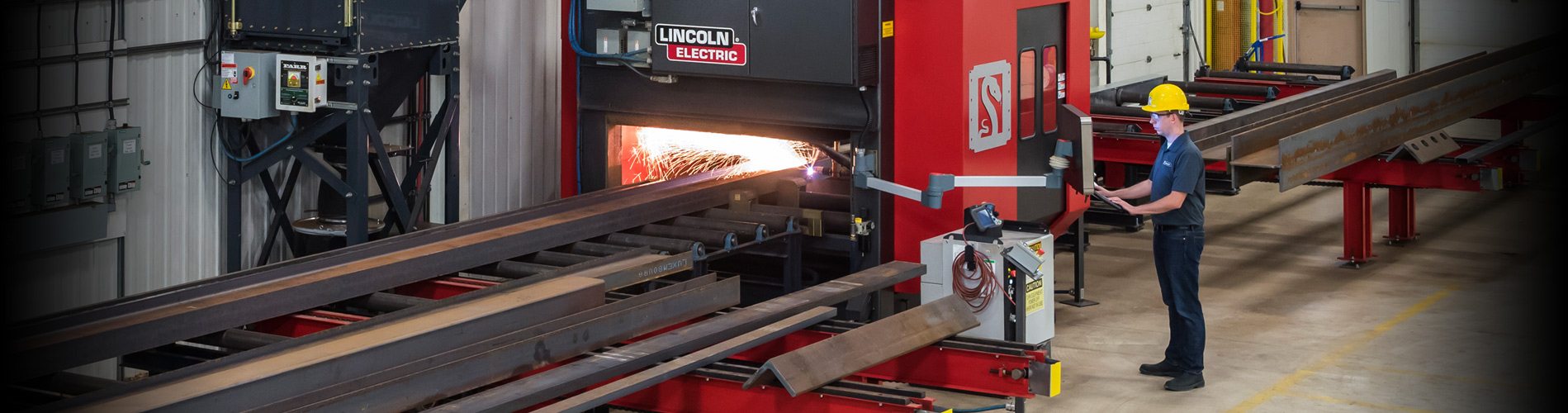


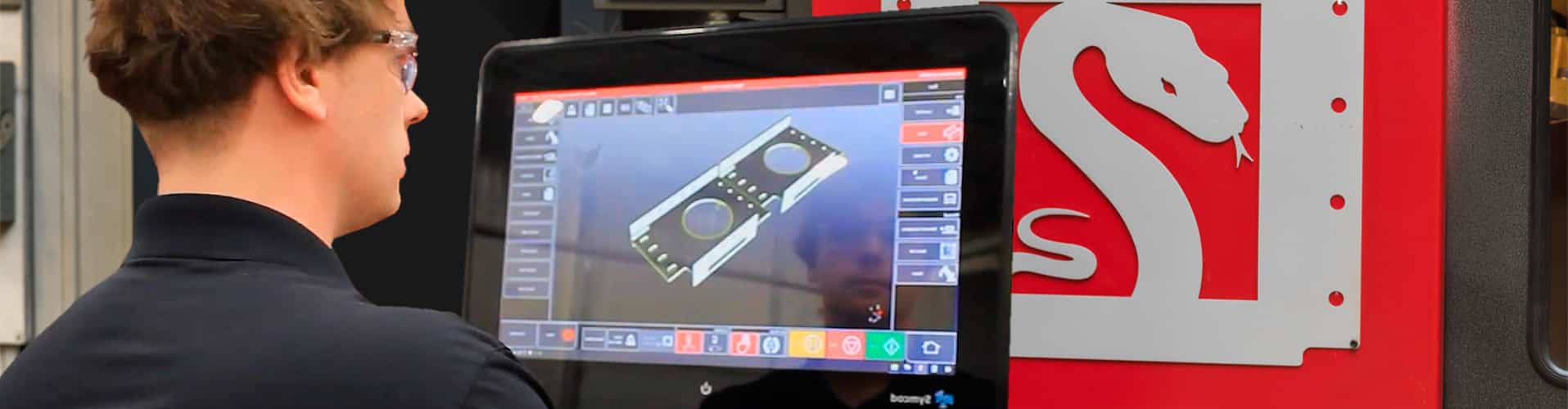
Software programs used for structural steel detailing that can export a .dstv file – Tekla Structures, SDS/2, StruCad and others – can be a great help to structural steel fabricators. How? Modern fabrication machinery can read the .dstv files and extract information used to instruct it where to place a certain feature, like a bolt hole on a structural beam, as well as the dimensions of that feature.
![]()
This saves time because the operator doesn't have to program in the locations and details of features to be cut, and it avoids human errors that might cause you to have to scrap a beam. All-in-all, a pretty good use of BIM design information.
![]()
But pretty limited. After all, fabricating structural beams typically involves more than drilling bolt holes. Using those same .dstv files to tell the fabricating machine where and how to make copes, miter cuts, weld prep bevel cuts, slots and notches would do far more to increase fabrication shop productivity.
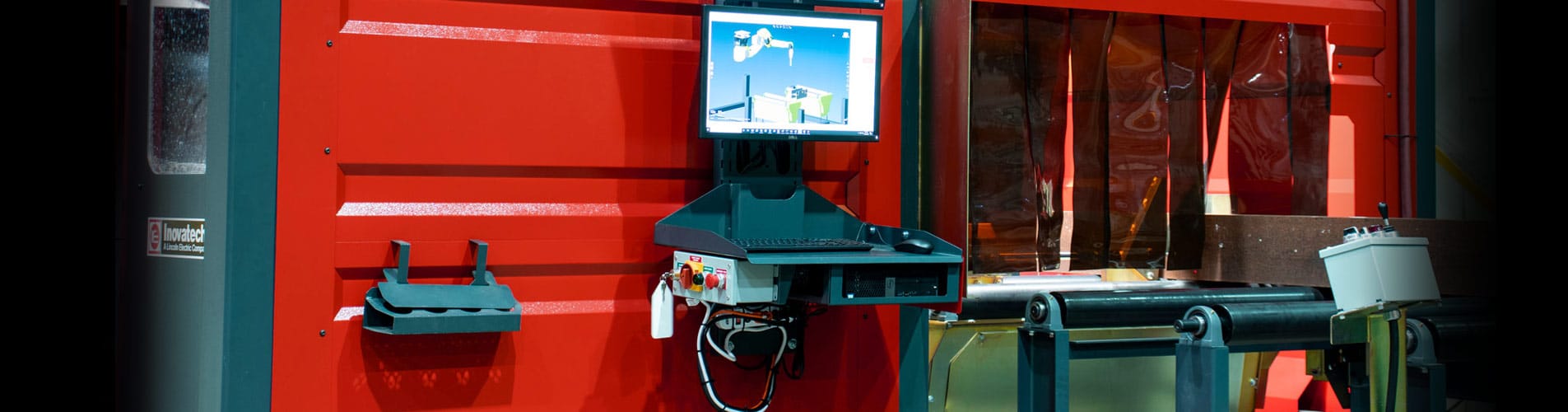
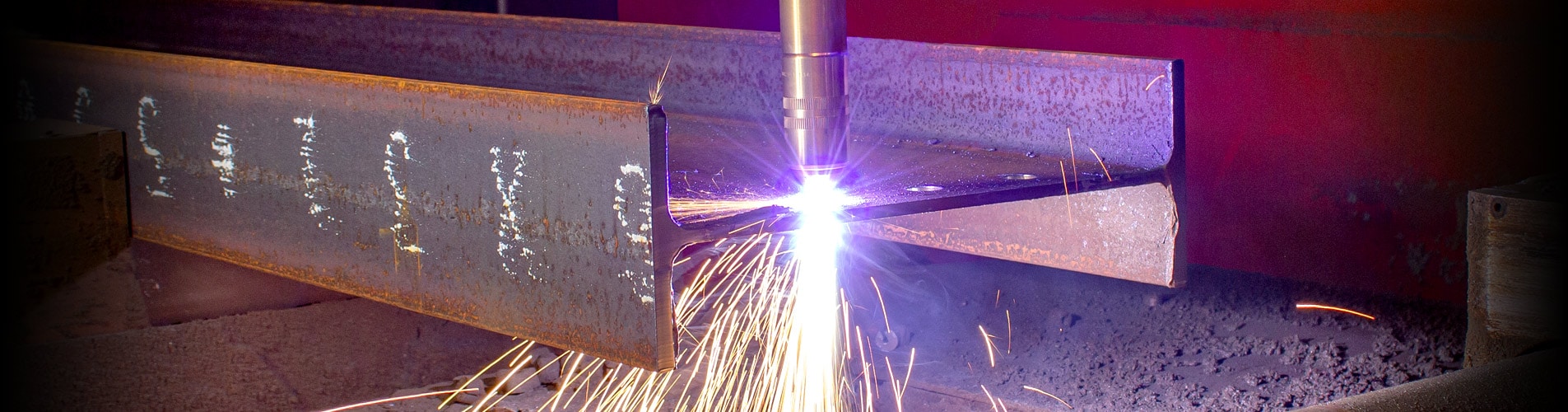
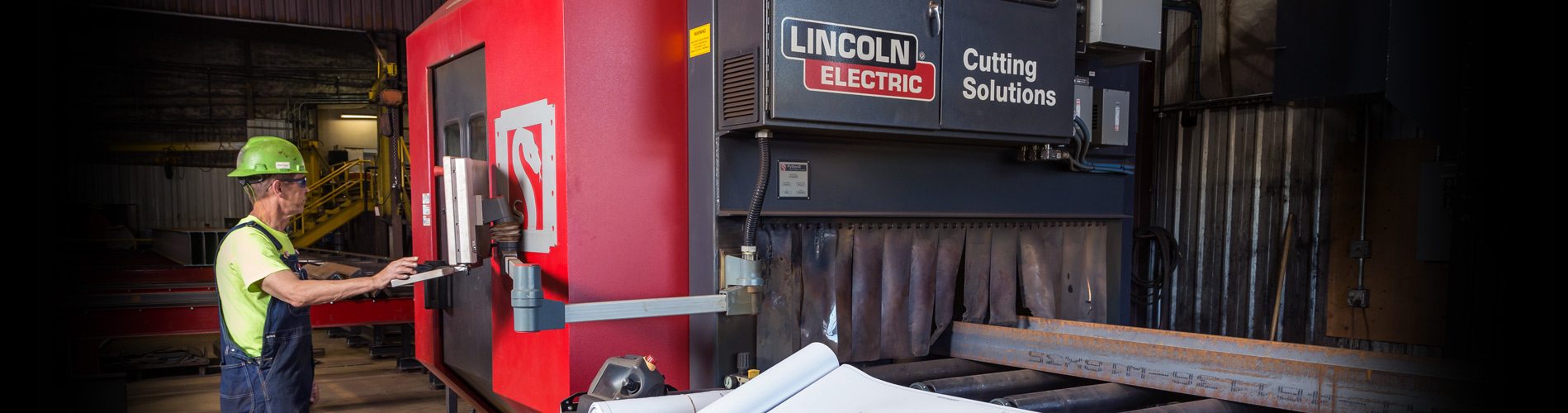
The introduction of the PythonX Structural Steel Fabrication System has made such extensive use of .dstv detail information possible. With PythonX, you download the Tekla Structures .dstv file to the machine control (from a CD, flash drive or over a network connection) and PythonX's on-board software determines the cutting sequence of ALL features while calculating the exact cutting path of the robotic arm that moves the plasma cutting torch around the beam.
Let's say you have multiple pieces of CNC fabrication equipment that can read Tekla or StruCad .dstv files. Your beam drill line, your coping robot and your plate line can all take advantage of their ability to translate detail files into machine instructions. BUT THEY EACH DO SO SEPARATELY! That means you read the file into three different machine controls, three different times, because none of these 'traditional' machines can individually make all the cuts needed for the beam.
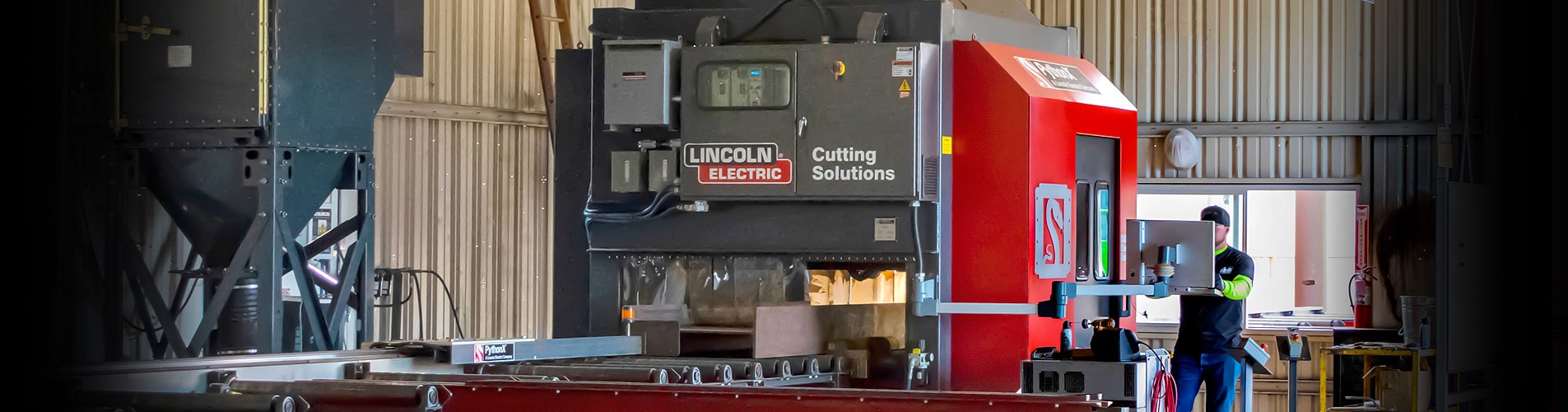
PythonX is completely unique in that it can produce all the needed features in a single pass! Each feature shown in the table on the right can be produced extremely quickly and accurately by PythonX. It reads the Tekla .dstv file once, and the structural beam, channel, HSS, angle or plate can be completely fabricated and ready for fitup, welding or painting. There's no need to move it to another machine and, no need to read the .dstv file a second or third time.
That's how PythonX, coupled with Tekla or SDS/2 detailing files, can "Squeeze the Cost Out of Structural Fabrication" like no other machine on the market.

PythonX processes a much wider variety of structural shapes than any competing 'automated' fabricating machines like those of Peddinghaus, Ficep or others. From small 3"x3" angle to W36x300 beams 60 feet long, PythonX processes nearly 95% of the structural fabrication shop's typical material requirements.
PythonX can edge cut material up to 2" thick. It can pierce material up to 1.25". And while accuracy is often a challenge with traditional fabrication machines, it's never a problem with PythonX. Parts processed on PythonX maintain 1/32" (0.8 mm) tolerance over their length.
PythonX even compensates for mill spec problems because its torchhead probing feature precisely measures actual dimensions of the beam, feeding the information back to the computer to make adjustments to the cutting path for bent or imperfect shapes. That way, cambered, convex, concave or bent shapes can be compensated for so the completed workpiece meets dimensional specs.
But don't just take our word for it? We'd like to host a live demonstration of this truly remarkable structural fabrication technology in our showroom or an operating customer's site. Just contact us to set up an appointment, or to receive a free DVD showing you the system's full capability.